Recovery After Choledochal Cyst Surgery
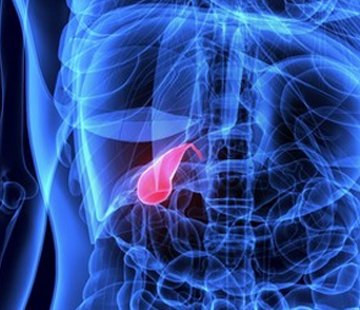
Postoperative Care for Choledochal Cyst Surgery
Choledochal cyst surgery is a big operation, and the recovery that follows is a process rather than a single event. Knowing roughly what happens, and roughly when, makes the whole thing far less frightening — for adult patients and for parents watching a small child come back from theatre. This page walks through recovery as a timeline, from the recovery room to the follow-up appointments that continue for the rest of a person’s life.
One important caveat first. Recovery varies enormously from person to person. It depends on age, on the type of cyst, on whether the repair was done open or by keyhole or robotic surgery, on liver condition before surgery, and on whether there were any complications. Two children with the same diagnosis can have very different weeks. Wherever this page and your hospital’s own discharge instructions disagree, your hospital’s instructions always take precedence — they are written by the team that knows the specific operation performed.
The recovery room and the first few hours
After the cyst is removed and the bile ducts reconstructed — most often with a Roux-en-Y hepaticojejunostomy, described in more detail on our treatments page — the patient goes to a recovery area (PACU) while the anaesthetic wears off. This usually takes one to two hours. Nurses check blood pressure, heart rate, breathing, oxygen levels and pain frequently.
Expect grogginess, a dry mouth, shivering, and sometimes nausea. Children are often unsettled, tearful or confused as they wake — this is normal and short-lived, not a sign that something has gone wrong. Most units let a parent come in as soon as the child is stable. Once observations are steady, the patient moves to a surgical ward or, after a longer or more complex operation, to a high-dependency unit for closer monitoring.
The first 24 to 72 hours
Pain control
Pain is managed proactively rather than waiting for it to build. Depending on age and approach, this may be an epidural, a nerve block, a patient-controlled analgesia (PCA) pump, or regular intravenous and then oral painkillers. Shoulder-tip pain and trapped wind are very common after keyhole surgery. Getting up and walking is the single most effective remedy — Children’s Hospital of Philadelphia specifically advises that getting out of bed and moving around helps to relieve the gas pain common after this type of surgery.
Drips, tubes and drains
- IV fluids — given until the patient can drink reliably without vomiting.
- Nasogastric (NG) tube — not always used, but common after open surgery. It keeps the stomach empty while the bowel wakes up, and usually comes out within a day or two.
- Abdominal drain — a soft tube near the new join, to detect any bile leak early. Seattle Children’s notes that children often have a drain left in the side of the tummy, and that in most cases it is removed before going home.
- Urinary catheter — used while an epidural is running or after a long operation; typically removed within one to three days.
- Antibiotics — usually given intravenously for a short period after surgery.
Monitoring
The team watches temperature, drain output and colour, wound appearance, urine output, and blood tests including liver function tests, which often wobble before settling. Returning bowel sounds, passing wind and the first bowel movement are all milestones the nurses will ask about.
Eating and drinking again
Feeding restarts when the bowel is working, not on a fixed calendar date. CHOP describes the usual pattern plainly: IV fluids continue until the patient is able to drink clear liquids without nausea or vomiting, and they then slowly advance to a regular diet. In practice that means sips of water, then clear fluids, then light, low-fibre, easily digested foods, then normal meals — often over two to four days, sometimes faster after laparoscopic surgery. Small, frequent meals are tolerated far better than large ones at this stage. Appetite is usually poor for a week or two; this is expected and recovers.
How long is the hospital stay?
This is one of the most-asked questions and the honest answer is a range. CHOP reports that after a laparoscopic operation a child typically goes home in approximately three to five days, while children who have an open excision remain hospitalised for a few days longer. Seattle Children’s quotes an average of about seven days overall, and is explicit that it depends on when the child gets back to eating normally and when their pain is well controlled. Adults, and anyone with pre-existing liver disease or a complication, may stay longer.
Wound care
Dressings are usually removed or changed within a few days. Most surgeons now use dissolvable stitches and glue or steri-strips, so nothing needs taking out. Showering is generally allowed once the team says so, patting the area dry rather than rubbing. Baths, swimming, hot tubs and saunas are typically avoided for a period — UW Medicine’s abdominal surgery guidance advises no bath, hot tub, swimming, sauna or steam room for at least four weeks. Keep the scar out of direct sun for the first year and use high-factor sun protection once healed.
The first two weeks at home
This is often the phase people are least prepared for. Common and normal in the first fortnight:
- Fatigue — profound and out of proportion to activity. Naps are not a setback.
- Pain shifting from sharp to a deep ache or pulling sensation, worse on coughing, laughing and sitting up. Hugging a pillow across the tummy helps.
- Changed bowel habit — constipation from opioid painkillers is extremely common; so is looser, more frequent or paler-than-usual stool as bile flow changes. Both usually settle.
- Disrupted sleep, night waking, vivid dreams, and in children some regression such as clinginess, bedwetting or wanting to be carried.
- Reduced appetite and early fullness.
- Emotional flatness or tearfulness in patients and parents alike.
Short, frequent walks beat long outings. Most teams arrange a wound and progress check — Seattle Children’s schedules a surgeon follow-up two to three weeks after surgery.
Returning to normal life
School, nursery and work
Many children return to school or nursery around two to four weeks after keyhole surgery, sometimes longer after an open repair, often starting with half days. Adults in desk-based work commonly return at three to six weeks; physically demanding jobs take longer. Ask for a formal graded return rather than an all-or-nothing date.
Driving
UW Medicine’s guidance is not to drive while still taking prescription pain medication, and to be sure you can turn, brake and react without hesitation or soreness first. Check your insurer’s wording too — many require you to be fully fit to control the vehicle.
Sport, lifting and play
The abdominal wall needs time to regain strength. UW Medicine advises not lifting, pushing or pulling anything heavier than 10 pounds (about 4.5 kg) for six to eight weeks, and avoiding bending, twisting and bouncing activities such as jogging, tennis, golf, riding and skiing for six to twelve weeks. For children this means no trampolines, contact sport, climbing frames or PE until cleared. Gentle walking and swimming, once wounds are fully healed, are usually the first activities back.
Diet in the longer term: does fat have to be avoided?
This worry comes up constantly, and the reassuring answer is: for most people, no. A permanent low-fat diet is not required. The gallbladder is removed as part of the standard operation, so bile drains continuously into the bowel instead of being stored and released in a burst after a fatty meal. Cleveland Clinic’s dietitians note that most people return to a regular diet within a month, that some need longer-term adjustments, and that the body has to relearn how to reabsorb and redistribute bile, which can take a couple of weeks to a couple of months for some people.
Practically: start bland, low-fibre and low-fat, keep meals small and frequent, then reintroduce fats and fibre gradually. If very rich or greasy meals cause cramping or urgency, ease off and try again later rather than cutting fat out permanently — fat is needed for growth and for absorbing vitamins A, D, E and K, which matters particularly in children. Persistent diarrhoea, fat intolerance or poor weight gain should be discussed with the team and a dietitian, not self-managed. Our FAQ covers more everyday diet questions.
Scars
An open repair usually leaves a scar under the right ribs; laparoscopic and robotic surgery leaves several small scars. Scars look their worst at around two to three months — red, raised, firm — and then fade and flatten over twelve to eighteen months. Silicone gel or sheets, gentle massage once fully healed, and sun protection all help. Numbness or odd tingling around the scar is common and usually improves. Many families in our community find it helps to see how other people’s scars have settled over the years, and our success stories include people years down the line.
Emotional recovery, for patients and for parents
Physical healing usually outpaces emotional healing. Children may become clingy, have nightmares, fear anyone in a uniform, or panic at the sight of a plaster or blood test. The National Child Traumatic Stress Network describes paediatric medical traumatic stress as the psychological and physiological responses of children and their families to pain, procedures and frightening treatment experiences, and stresses that a child’s reaction relates more to their subjective experience than to how objectively serious the event was. A short operation can leave a big imprint.
Parents frequently describe a delayed crash — coping well in hospital, then falling apart at home. That is normal, and it is not ingratitude. Things that help: honest, age-appropriate explanations; letting the child retell or play out the hospital story; keeping routines; rebuilding control through small choices; and telling the team if fear of needles, appointments or eating is not settling within a few weeks. Play therapy and psychology support exist in most children’s units and are worth asking for early. Adults, too, often experience health anxiety around every follow-up scan, and our page on choledochal cysts in adults covers the transition from paediatric to adult care. Talking to others who have been through it via our community pages is one of the most consistently helpful things patients report.
Long-term follow-up: why it is lifelong
Surgery removes the cyst, but it does not remove the need for monitoring. CHOP recommends continued yearly follow-up with a gastroenterologist or paediatric surgeon, with ongoing blood work and imaging at regular intervals because of the increased cancer risk in the remaining bile ducts. Cleveland Clinic makes the same point: even after removal, problems can still develop in the bile ducts that remain, including narrowing, stones or, rarely, cancer.
Follow-up typically involves liver function tests and other bloods, plus imaging — usually ultrasound, with MRI or MRCP if anything looks unclear or symptoms return. Frequency is commonly every few months in the first year or two, then annually and indefinitely. StatPearls is explicit that even after complete cyst excision a residual risk of malignancy persists, necessitating long-term postoperative surveillance, and notes an overall malignancy risk of around 5%, with cholangiocarcinoma appearing at a median age of 49.5 years in people with cysts compared with 65 without. That is precisely why the appointments continue after everyone feels well. If you have lost touch with a specialist, our find a doctor resources can help you re-establish care.
Warning signs: contact your team or go to the emergency department
Do not wait to see if these settle. Ring the surgical team, or attend the emergency department if severe or out of hours.
- Fever or shivering and rigors, which can indicate cholangitis or wound infection
- Jaundice returning — yellowing of the skin or the whites of the eyes
- Pale, chalky or clay-coloured stools
- Dark urine
- Severe or worsening abdominal pain, or pain not controlled by prescribed painkillers
- Persistent vomiting, or being unable to keep fluids down
- Wound redness, spreading warmth, swelling, or any discharge or leaking of fluid
- Abdominal swelling or distension, or a tummy that is hard and tender
- Not passing wind or stool alongside vomiting and a swollen abdomen, which can indicate bowel obstruction
- Itching all over, unusual drowsiness, or confusion
Cleveland Clinic advises seeking immediate medical attention for sudden severe pain, uncontrollable vomiting, high fever or worsening jaundice. If you are unsure, phone. Teams would far rather answer a call that turns out to be nothing. Our symptoms page and complications page explain what these signs can mean, and how they are investigated.
The honest long-term picture
The outlook after choledochal cyst excision is genuinely good. StatPearls reports that excision generally yields excellent outcomes, with an 89% event-free rate and an overall five-year survival rate of 95.5%. Most children grow up healthy, go to school, play sport and forget they ever had surgery except for the scar.
The honest part is that a minority do face later issues. Anastomotic strictures, recurrent cholangitis and bile duct stones can appear months or many years after surgery, and are more common in adults and in type IVa disease; StatPearls notes stones may develop years to decades after surgical intervention. Some people need a further procedure or revision surgery. None of this is a reason to expect the worst — it is the reason follow-up is lifelong, because these problems are very treatable when caught early and much harder when ignored.
If you are at the start of this journey, our pre-surgery preparation guide covers what happens before the operation, and you are welcome to bring your questions to our community. You are not the first family to walk this road, and you will not walk it alone.
Sources
- Choledochal Cyst — StatPearls, NCBI Bookshelf
- Choledochal Cysts and Other Biliary Malformations — Children’s Hospital of Philadelphia
- Choledochal Cyst — Seattle Children’s Hospital
- Choledochal Cyst: Types, Causes & Treatment — Cleveland Clinic
- How To Change Your Diet After Gallbladder Removal — Cleveland Clinic Health Essentials
- Biliary Reconstruction with Hepaticoduodenostomy Versus Hepaticojejunostomy After Choledochal Cyst Resection — Journal of Clinical Medicine
- Medical Trauma — The National Child Traumatic Stress Network